7/19/24

Waves

7/19/2024

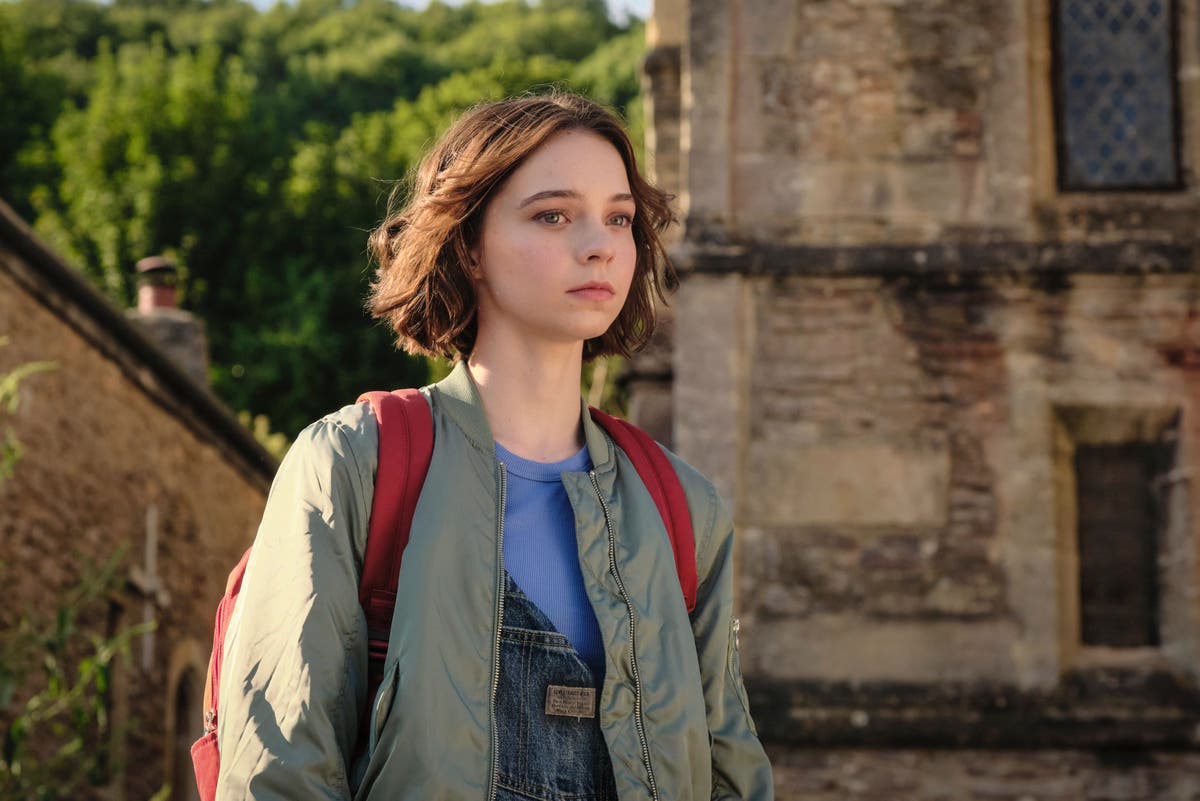
After finishing the film, I was weirdly preoccupied by this thought: Why was it called 'Waves'?

In that moment, as I lay flat on my back, with only a flattened cardboard box shielding me from the cemented floor, I found myself overthinking. I knew that the harder I tried to make sense of it, the more crumpled my face became. Gripping my phone, my mind wandered elsewhere, yet I tried to snap myself back to my consciousness. Despite the trance, I was still attuned with Colors and Sounds lulling during the film's credit scene. When the screen flickered to pitch blackness and all sounds faded away, I returned to my initial wonderment:

So, why was called 'Waves'?

“Waves,” among other A24 films I know, is by far the most emotional and heartrending movie I have watched. With a runtime of over two hours, I initially thought it would only outline the redemption arc of high school senior, Tyler Williams, as he and his family dealt with loss, forgiveness, and love. However, as soon as his story concluded behind bars, another story began. I distinctly remember tapping my screen to check the time when the perspective shifted to his sister, Emily Williams. It was around 1:02:00, almost exactly halfway through the film.

While the first half felt like an adrenaline rush, with nail-biting jitters conveyed through camera works and suspenseful music, the second half left me feeling quenched—as if I had just taken a refreshing gulp of ice-cold water after being out in the scorching afternoon.

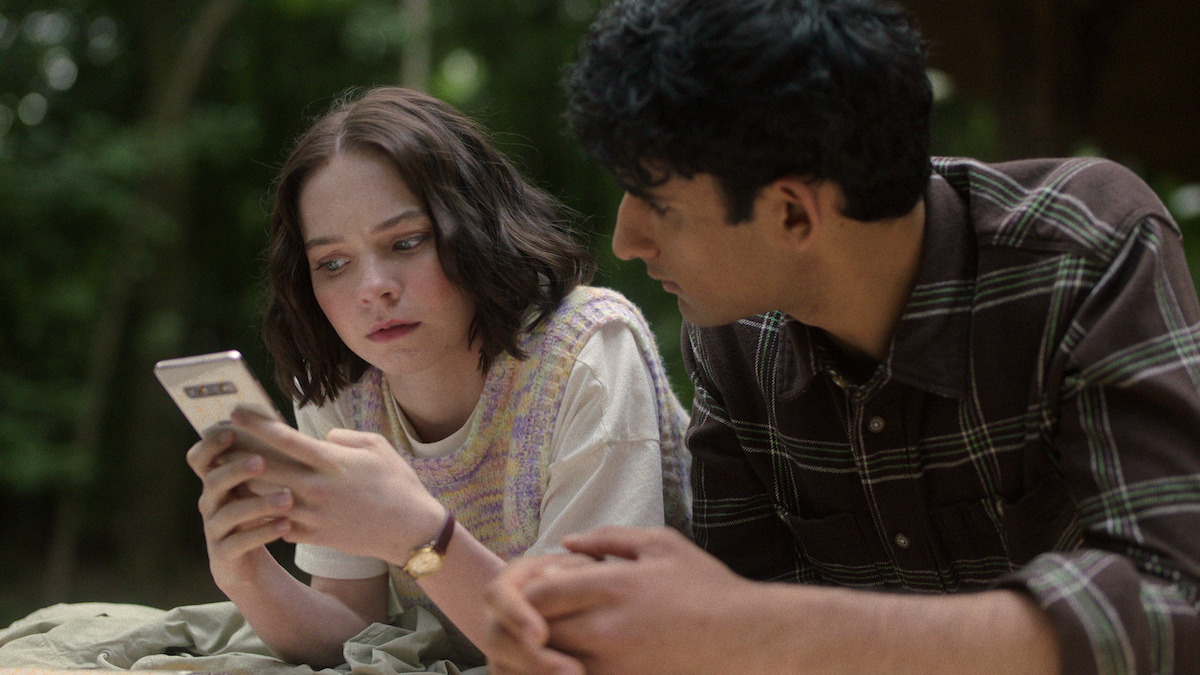
Emily Williams, after the imprisonment of her brother, carried on with her life without a choice. The aftermath of what happened to their family drained the remaining hope she had and consequently left her feeling castaway. In the sea of people, where it felt suffocating for her, a boy from the same university swam toward her and randomly offered her a blueberry lollipop. Their story soon deepened as they navigated their way together toward healing and acceptance.

From Wind-Blown Ripples...

Now that I reflect on it, this film didn’t rely on familiar associations to emphasize the symbolic significance of the title. We were reintroduced to different elements and their literal and interpretative uses in both cinematic and literary experiences. The beauty of changing seasons, the birth of a new dawn, the ominous darkness, the hopeful connection of sunrise, the constellations and their grip on our future, and the dramatic rain—all of these have been widely used to define universal life. They also deviate from their common usage to offer a fresh perspective.

In the film, I appreciate how its metaphorical sense hasn’t been explicitly laid out for viewers’ easy understanding. Like an ever-unpredictable wave, the story mimicked its movement and aligned it with the course of human life. The film began with a burst of energy—pumping and gripping. The music strategically wove through the rush of scenes, especially during Tyler’s pursuit of his domineering father’s high expectations.

Personally, as I watched the early parts of the first half, I felt like I was listening to Lorde’s Ribs. The tension kept rolling in and building, spontaneous and continuous, leaving me breathless, as if I were running in circles with my eyes closed. I wasn’t exactly on edge, but I leaned so close in my chair, weirdly focused and perplexed about where this tension would lead. And then it happened. After his father learned about Tyler’s shoulder injury, everything seemed to unravel. Tyler lost himself in the effort to save face. As hopelessness set in, he surrendered to his impulses, seeking solace that night with his pregnant girlfriend. No one, not even Tyler himself, expected that the same night would temporarily ease his pain, only to become a lifelong torment—this time behind bars.

As Tyler’s story closed, another one opened: Emily’s.

Just like the waves, unpredictable and ever-changing, all the built-up tension, vertigo-inducing camera work, agitated music, and frame ratios were compensated by shifting the focus of the story to his sister, Emily. As cheesy as it might sound, she came across like a breath of fresh air.

To Serene Stillness...

The toning down of the story, as the perspective shifted to Emily, put me at a greater ease. Clearly, the aftermath of her brother’s tragic downfall had shattered her hope for herself and her family. Although introverted, her solitude seemed deliberate—a self-imposed isolation from others, and likewise, people avoided her. Then, a chance encounter with a guy altered the trajectory of her university life. While waiting her turn in an audition, the same guy approached her with a sheepish demeanor. Despite the embarrassment and awkward gestures, he invited her out for an afternoon snack. Before bidding her goodbye, he handed her a blueberry lollipop, keeping one for himself.

The breaking of a wave cannot explain the whole sea...

In the latter part of the film, there is this shared moment between Emily and her father. Personally, I felt a mix of emotions toward her father—disgust, empathy, and frustration. Obviously, he was the driving force behind Tyler’s self-destructive path, pushing him relentlessly to earn his approval.

It’s sad to say that some parents display their sacrifices to their children’s faces, making them feel worthless. I understand that parents endure trials and hurdles, sacrificing their dreams and well-being to provide for their children. Yet, I don't comprehend why do they insist on imposing the same struggles on their children? Is it necessary for children to experience firsthand the hardships they endured? After all, it was them who ended that turmoil, so why impose the same burden on their children?

Under immense pressure, Tyler kept his shoulder injury a secret from anyone. Fearing disappointment from his father, he persisted despite the doctor’s advice to stop competing. This led to a tragic outcome and a series of misfortune events.

That fateful night, Emily saw Tyler sneaking into their prom. Despite a sense of foreboding, she couldn't bring herself to move and see his brother's unwelcomed presence. Their parents also had a hint of Tyler’s whereabouts, but like with everyone else, they were too late—they found Alexis bloodied and lifeless.

That moment, while fishing together, Emily and her father grappled with regret. Emily harbored resentment toward her brother, blaming herself for not stopping him. Her father, equally regretful, questioned his role as a father. Both longed for their past lives and wished they could still be a family once again.

I agree with Emily’s father when he told her:

You have so much love to share with the world and so much life yet to live.

My heart crumbled when I heard those words. Parents, like their children, aren’t perfect. They, too, grapple with the weight of their roles. I recall an emotional scene from the hit K-Drama “Reply 1988.” Deok-Sun’s father explained that becoming a parent doesn’t automatically make someone a seasoned dad or mom. Each child is a unique journey, and it’s still their first time navigating parenthood.

As I reflect on Emily’s father’s sentiment, I wonder how it would feel to hear those words directed at me.

Is there someone out there who believes I have love to give to the world and a life left to live?

Approaching my 26th year next month, I’ve been wrestling with loads of emotion. Perhaps my frustrations and anger stem from unexpressed love? Love I’ve kept hidden, bottled...waiting for that moment to share.

Am I a lovable person?

I wonder…

7/11/24

Pretty Woman

7/11/2024

Julia Roberts as Vivian was the pretty woman. No, stop right there. Let’s revisit my first sentence and emphasize the word “the.” Imagine stamping our feet and gritting our teeth just to ensure we emphasize it. After all, we don’t merely acknowledge her beauty; we worship it with utmost admiration.

I’m well aware that Julia Roberts may now be in her golden years. The first and last time I saw her on screen, she wore a blue, flattering blouse, fighting back tears as she stood in Hugh Grant’s bookstore in their romantic-comedy film, “Notting Hill.”

I could almost hear the not-so-distant serenade of their song, “When You Say Nothing At All,” as if it hadn’t been ages since I finished watching the film. Her demeanor—classy and poised—perfectly embodied the calculated allure of a celebrity star. The unlikely encounter she had with Hugh Grant, a charming bookstore owner, created a delightful meet-cute moment. I became obsessed with the film for a week, playing their song nonstop and replaying their scenes in my mind. Watching this classic in today’s age doesn’t feel cringy or remotely “cheesy.” Perhaps that’s the magic of nostalgia—the film remains unforced and fresh against the passage of time. Yes, it’s timeless and classic.

That's why seeing Julia Roberts again, rocking a new character– a groovy one, mind you –was really something else. Those curls, that height – she's the ideal Vivian for the classic film, "Pretty Woman." Left with no choice but to be a hooker, Vivian took her chance when she and Kit spotted a handsome car. She leaned against the window, flaunting her skin, and Edward? Well, he didn’t just let her go; he agreed to pay up.

The head-turns and mouth-opening as she graced the Beverly Wilshire with such casual confidence were enough proof that this woman was the living embodiment of pretty. But let’s talk about Edward—how he hung out with Vivian, amused and at ease. He took her in without any bold, aggressive hints to just get her into bed. Instead, he made her comfortable and uncomfortable with his treatment.

After that night, he convinced her to stay with him for a week. Of course, he still paid her for her attention and companionship. He brought her to formal meetings, allowing Vivian to blend into his prestigious life. He even let her use his card to buy herself “conservative” clothes, dolling her up to put his “friends” at ease. Yet, all the while, he ensured she experienced not just the life of a pretty woman but that of a privileged one.

Throughout the film, I was honestly captivated by Julia Roberts’ beauty. Every time she graced the screen, there was something that lit up. Maybe it’s her radiant smile—yeah, I’d bet on that. It was enough to convince me that I could watch the entire movie without a hint of boredom. Her curls perfectly accentuated her gaunt face, paired with those sparkly eyes, white teeth, and that big, infectious smile. Her fidgeting and subtle mannerisms breathed life into her character, creating a stark contrast from her role in “Notting Hill.” At times, I even felt a twinge of guilt because I momentarily forgot about her romantic counterpart, Edward Lewis. Julia Roberts convincingly stole the show, making me forget there was anyone else on screen. Apologies, Richard Gere.

I’ll tell you, she was so beautiful that I forgot to assess their chemistry—whether it was affecting me or not. She was more than enough.

That’s why I was slightly skeptical about writing a review for this film. I feared I’d end up blubbering about Julia Roberts and worshiping her beauty. And guess what? I’m doing exactly that.

Sure, the film isn’t exactly groundbreaking anymore. But there’s something magical about classic rom-coms. When I watch them, I feel a warm glow inside. There are plenty of movies with similar storylines, chemistry, and tropes, yet they don’t leave the same lasting impression. They’re good, but they don’t linger.

Now, the classics—like “Pretty Woman,” “Notting Hill,” and “10 Things I Hate About You”—they’ve stood the test of time. They’re like vintage wine, aging gracefully. Even after all these years, their beauty and impact remain untarnished. And that’s exactly how I felt while watching this film. Nothing beats the classics.

Julia Roberts, you’ll forever be THE pretty woman.

7/5/24

A Not-So Review: A Good Girl's Guide to Murder

7/05/2024

I speak on behalf of those who impulsively jumped into “The Good Girl’s Guide to Murder” without reading the novel first. I AM GUILTY AS CHARGED and sheepishly admit that I let the trailer I stumbled upon in my reels take advantage of my boredom, convincing me to watch it because the leads looked cute together.

Now, I’ve just finished the six-episode series.

It wasn’t what I was expecting. I felt dissatisfied, and I doubt that any potential sequel could compensate for the anticipation it falsely built up due to the hype from the trailers I got from the reelers. Still, I recognize that it was my own impulsiveness that led me to start watching without hesitation. I managed to complete the UK series in less than a week. Although it’s a recent release and not yet available on other platforms, my resourcefulness allowed me to find high-quality copies of the series and download them for offline viewing. After work, I continued watching, not particularly invested, but curious about how the plot would unfold based on what I’d seen on Instagram.

The first episode was acceptable for someone like me who had no background or emotional attachment to the book. The lead character, Pip, whose face seemed familiar, turned out to be the blonde girl from the hit Netflix series “Wednesday.” However, as the series progressed, I found myself becoming less attached to her and the overall storyline. Her acting, along with that of her ‘partner’ Ravi, was mediocre. 


I wonder how my reaction might have differed if I had read the book. Despite occasional facial twitches, Pip remained emotionally distant. Even her British accent, which struck me as off from the beginning, failed to resonate with someone like me who isn’t well-versed in that accent. 


Then there’s Ravi. If the story didn’t require him to act and he could simply grace the whole series with his presence, he’d be just fine. However, that’s not the case. He appears awkward and unconvinced, and the chemistry I thought he had with Pip is actually absent. I couldn’t feel anything from his acting.

Right now, you might think this is just me ranting, and perhaps you’re right, but I can’t hide my disappointment. I’m not saying this is a bad series, but it certainly isn’t a good one either.

Let me highlight a few points:


First, how could Pip find it so easy to engage in conversations with the suspects? After all, it has been five years since the murder. Why did it take her only a few months to connect the dots that the police couldn’t piece together initially?

Moreover, why did the suspects readily confide in Pip, someone they barely knew personally? It’s surprising that they shared information without being overly cautious or suspicious during the interviews.

Then, Pip’s ability to gather evidence seems almost effortless. Whether it was sneaking into houses or attending the Calamity Party, she faced no significant obstacles. Her courage to challenge the police is commendable, but it’s hard to believe that solving a case from five years ago could be this straightforward.

Regarding Ravi, the younger brother of the suspected killer, Sal, I initially thought he would be a revelation when he first appeared on the show and interacted with Pip. His height and looks were eye-catching, reminiscent of characters from the YA books we read. However, despite having less screentime than other characters, he consistently fell short. His facial expressions lacked depth, and his overall demeanor felt lackluster. This wouldn’t have been an issue if he had less interaction with Pip, but it was puzzling to see him appear so laid-back, especially when Pip was already at the peak of her investigation.


“We’re a team,” they convinced each other, but for me, they were too far away from that. The series only showed Pip doing all the work, while the younger brother of the suspect was just there, being a muffin genius. I couldn’t even feel the drive, anger, and frustration from him after losing his brother. He only showed up when it wasn’t even needed. During the calamity party, he should have joined Pip there. I was furious that he made no contributions to Pip, especially considering he wasn’t fired up after losing Barney.

Barney, the sweet angel! How could someone kill a dog? I was truly fuming mad that anyone had the capacity to end the life of such an innocent dog.


In the series, the most surprising revelation came when we discovered, alongside the characters, that their English teacher (who happens to be Pip’s best friend’s father) was the one who murdered Sal. This unexpected twist kept me engaged. Despite having only six episodes, I wasn’t sure I’d make it through if the story unfolded predictably.

Another highlight for me was the
choice of songs. They fit perfectly and deserve a spot on my playlist. Each opening of a new episode is set against a bleak atmosphere, and whoever curated the music deserves kudos!


There, I felt a twinge of sadness knowing that I wouldn’t be able to write an extensive post about this series. The show has immense potential, fueled by the high expectations set by the acclaimed book. Nevertheless, it was a refreshing experience to watch something outside my usual preference, unlike the typical Asian dramas I usually gravitate toward.

6/30/24

The Lunchbox

6/30/2024

I didn't get the chance to look up anything about this film that I just recently watched. The old-fashioned poster, adorned with half-body shots of the actors, immediately signaled that it was perhaps an Indian movie. After finishing “Slow,” a Swedish film (I believe), I felt the urge to explore another foreign film—something beyond my usual choices. I went to Reddit and hopped on some old discussions about Asian cinema. Among the recommendations, “The Lunchbox” caught my eye in one of the comment threads. Intrigued, I decided to download it offline, along with other Asian films that piqued my attention based on their title.

First, I tried to watch “Barfi,” another Indian film. Regrettably, even after giving it half an hour to grow on me, I still struggled to connect with it. Similarly, my initial experience with “The Lunchbox” left me also feeling disconnected. However, I knew I needed to give it more time, so I paused the film after about 15 minutes. Exhausted from switching between movies, I decided to call it a day and get some rest. The following day, after finishing work, I had a conversation with a friend. As we were about to say goodbye, I mentioned “The Lunchbox.” His enthusiastic response surprised me—he praised it as the best and highlighted Irrfan Khan’s exceptional acting. Encouraged by his recommendation, I decided to give the film another chance that night. And you know what? I’m glad I did. Without his encouragement, I might have missed out on this gem.

The Lunchbox

Halfway through the movie, I was already confident that I would finish it. When they began exchanging letters, the story became even more interesting. However, in the back of my mind, I wondered: Wasn’t she also cheating on her husband? Although it hadn’t been the case before, however, when she invited him to meet in person, I felt uneasy about her intentions. It seemed there was more to their supposed meeting than just a friendly encounter. Fortunately, he didn’t show up—a decision that was beneficial for both of them.

Regarding the lunchbox mix-up, I also found it questionable as Ila did. Did this happen all those times, or did it start only when the film began? Additionally, why did Ila choose a lunchbox delivery service instead of asking her husband to take it to work? Perhaps there’s a cultural nuance or practical reason behind this choice that I was not fully aware of.

The Letter

In the modern world, where traditional letters have lost their place to instant messages, the exchange of letters between Saajan and Ila felt deeply personal and almost “romantic.” Born into an era where letters were no longer commonplace, I struggle to imagine the anticipation of sending your thoughts to someone, waiting patiently for their response. If such a scenario unfolded today, we’d likely hear collective sighs and desperate pleas to fast-forward time just to receive the eagerly awaited reply.

The act of waiting—the hopeful anticipation, the uncertainty, and the time restraint—becomes an integral part of the experience. Beyond the physical letter itself lies the labor invested in its creation. Letters hold sentimental value, capturing moments and emotions, and carrying the weight of people bound by time and hope.

The film “The Lunchbox” beautifully portrays this sentiment through the unlikely connection between Ila and Saajan. Ila, a housewife seeking to rekindle romance with her husband, had her lovingly prepared lunchbox mistakenly sent to Saajan, a middle-aged widower on the cusp of retirement. Their lives intersect through this misplaced lunchbox.

While romance through exchanging letters is no longer a new trope, “The Lunchbox” manages to infuse it with a unique flavor. As I've always believed, despite having common staple ingredients in a movie, if the production manages to reinvent the familiar flavor into something tasty, they can for sure entice people to buy what they offer. In the film, rather than "love" letters, their correspondence delves into life’s philosophical aspects. They discuss existence, beauty, and the lessons learned along the way. Their casual conversations transcend the boundaries of strangers, reminding each other how to truly live and relive their past experiences.

The Saying

In the film, I had this striking realization about the vertical and horizontal plots associated with burial. Saajan requested a horizontal plot, as he told Ila in his letter, because he had spent his entire life standing in buses and trains. He burst out wryly—did he really have to stand even in death?—that was funny but it surely made sense to me.

Later, Saajan shared a profound insight with Ila, perhaps also reflecting on his own life:

We forget things if we have no one to tell them to.

This resonated with me the most. When my sisters reminisce about the past and ask me about it, I often struggle to access those memories consciously. I wonder if it’s because I didn’t experience those moments or simply because I’ve forgotten them. It’s fascinating that my sisters can recall those childhood snippets, while I remain unsure.

I once read a post on Twitter suggesting that the inability to remember childhood experiences might be linked to certain traumas. Perhaps that’s true for me, maybe I’m just naturally forgetful, or Saajan might be correct that I just don't have no one to tell them to? After Ila finished reading his letter, she walked into the open room and briefly played with her daughter.

In another scene, Ila confided in Saajan about her husband’s alleged affair. In response, Saajan recounted a past experience during his train ride. He noticed an elderly woman and felt something brush against him. Like me, he assumed it was the elderly woman who had accidentally touched him. However, instead of accepting this hasty conclusion, he cast a quick glance downward to check for himself. To his surprise, it was the briefcase of the passenger in front of him, gently bumping into 'his'. I stifled a laugh, just as Ila did. Here, Saajan might have wanted to tell Ila that she could be wrong and should not jump to immediate conclusions.

Saikh also shared several funny moments with Saajan. Initially, I expected him to remain on the periphery throughout the film. However, it turned out to be a good decision that, apart from Ila, Saajan found a friend in Saikh.

One memorable scene was when Saikh followed Saajan home. As they conversed, Saikh casually chopped vegetables during the ride—a comical sight! But there was another moment that stood out. Saikh shared a saying with Saajan, one that had been mentioned a few times in the film:

Sometimes a wrong train can get you to the right station.

According to Saikh, his mother had imparted this wisdom. Saajan nodded, but then he paused and looked at Saikh. “Wait,” he said, “didn’t you mention that you’re an orphan?” Saikh’s witty response had me laughing again. He explained that he preferred to add “my mother says” to make his words more believable. Hahahaha! I really enjoyed that.

The Closing

Although I didn’t fully support the “emerging romance” hinted in the film between Saajan and Ila, my heart crumbled when Ila read his last letter to her. After all the anticipation of finally meeting her in person, Saajan stood before the bathroom mirror, briefly scanning his reflection. He decided to shave his beard, but the look on his face suggested lingering dissatisfaction. In that heartfelt letter, he showered Ila with compliments, describing her as beautiful and still young. Meanwhile, he acknowledged his own impending retirement, the scent of age clinging to him, and the time he was addressed as “Uncle” during a ride to the office. The truth hit him like a slap, and he felt a sudden embarrassment—he believed he didn’t deserve her.

Despite the film’s open ending, I still prefer it that way rather than providing a concrete, fairytale-like conclusion. Saajan and Ila have the choice: they can either meet at the ends or continue living their lives, carrying the secrets that only they know—the secrets that the lunchbox holds. In life, there are those chance encounters on trains, fleeting eye contact, shared seats, one-time smiles, and snippets of conversation before we get off. Not everyone accompanies us throughout our journey; sometimes, we meet people at a single station when we accidentally board the wrong train. And after that ride, as we walk home, we realize it’s not so bad after all.


3/30/24

Upcoming Summer

3/30/2024

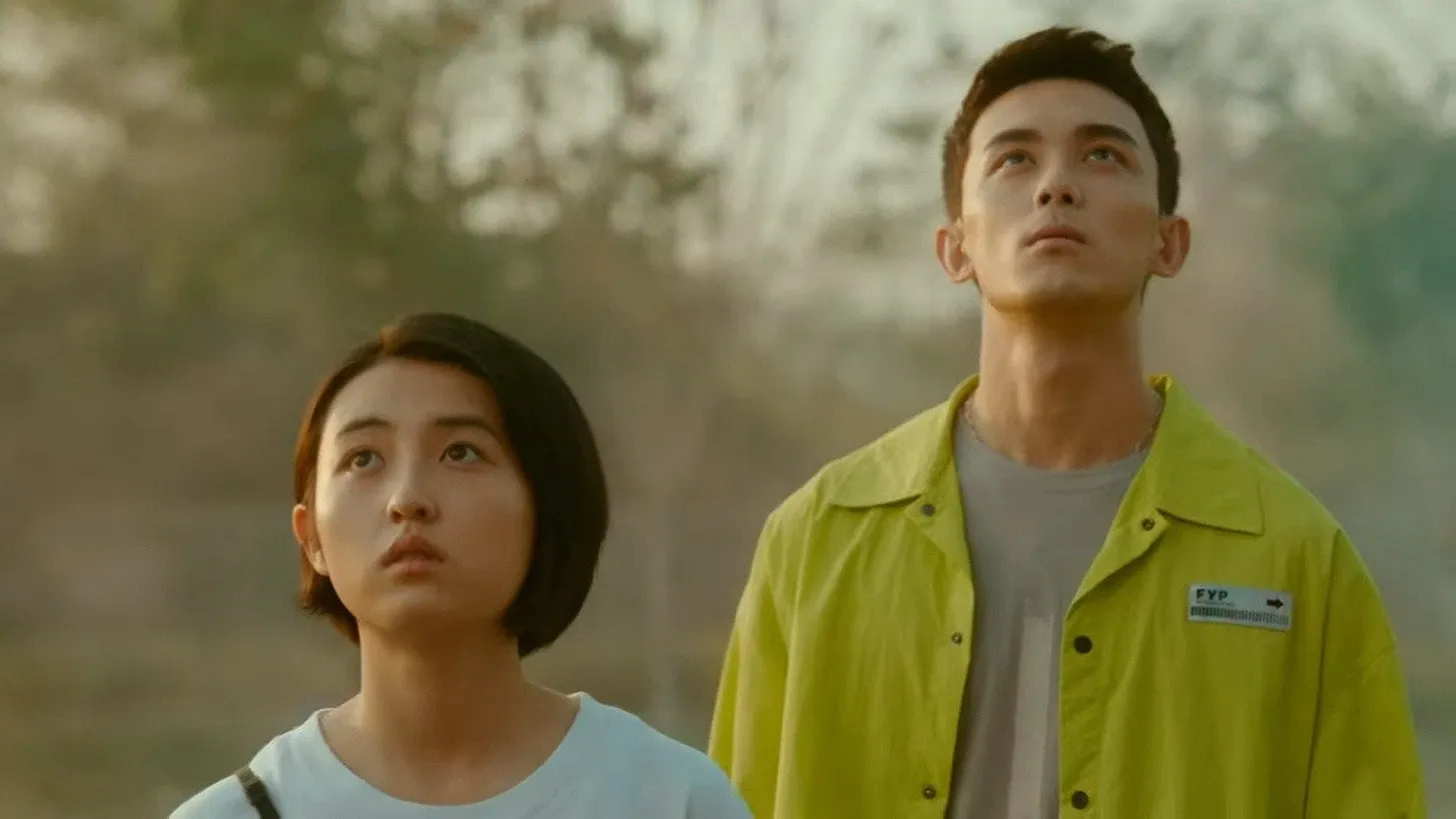
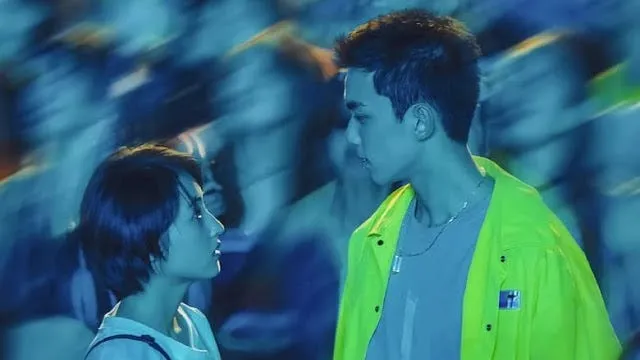
I never expected that Upcoming Summer would leave such a lasting impression to me. It has been nearly a week since the credits rolled, yet there are moments when my mind replays Coldplay and The Chainsmokers’ “Something Just Like This,” instantly transporting me back to that scene. They stood side by side amidst the pulsating crowd—people hopping to the beats, neon spotlights painting the air, and breaths echoing with so much euphoria. And there they were, leaning into each other, exchanging hushed whispers, and sharing their deepest secrets.

After that, the credits were rolling. My eyes remained fixated on the fading black screen until they filled with words:

We hope we can face ourselves with more honesty.

We hope we can be braver.

I was almost convinced that Upcoming Summer would be easily forgettable. After all, I only gave this film a chance because I wanted to see Leo Wu once again after ‘Amidst a Snowstorm of Love.’ However, I remained confident that anything with him was worth watching, so I knew this film would be at least good. Miraculously, on the night of the 24th, I was in the mood to watch something. Not feeling particularly picky, I decided to hop over to BiliBili and check if Leo Wu’s Upcoming Summer was available to watch there.

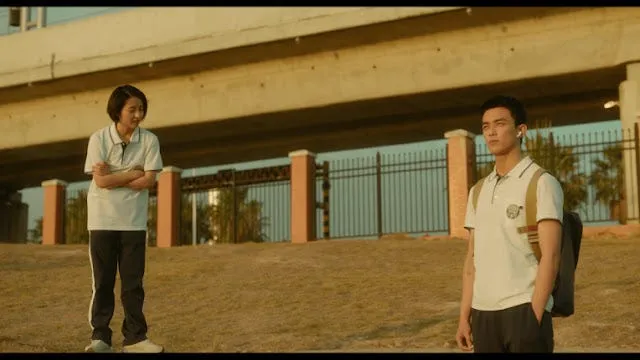
Despite feeling a little hesitant during its first few minutes, I kept my cool and trusted my instincts to continue watching. To my great surprise, I enjoyed how the story became interesting after their paths finally crossed because of a casual lie made by Chen Chen. I would say, that moment when Yu Xing simply peeked on the then passing Chen Chen and asked what was going on—followed by the classroom erupting in teasing—gave me an impression that this might be an easy watch. Halfway through, I had to pause the film as the hour was already growing late. I stopped during that scene where Yu Xing took Chen Chen to the club on her 18th birthday. They were in the front, the music was pounding in their ears, everyone lost in the moment, and both of them locked in their own world—gazing into each other’s eyes. I didn’t want to spoil the anticipation, so I left it hanging that night and resumed watching the next evening. I knew that in that scene, she would lean in to kiss him, and he would pull back. Funny enough, I had already stumbled upon that very scene randomly on TikTok before I even knew who Leo Wu was or had watched Amidst a Snowstorm of Love. I remember saving that clip in my watchlist collection, knowing I’d return to it when I’m finally in the mood to watch it.

On that Monday night, well past midnight, I finished watching Upcoming Summer. Honestly, it wasn't what I had thought about. I didn't know exactly what to feel  and found myself caught between satisfaction and dissatisfaction. Perhaps it was the late hour, or perhaps it was the impact of the film itself? Curious, I ventured onto Letterboxd and checked the reviews. There, I stumbled upon something mind-blowing—something that left me gasping in awe and disbelief. This revelation prompted me to read more online reviews until I was certain of what this film truly represented.

The movie I initially thought would merely pass me by had, unexpectedly, stuck with me.

Upcoming Summer

We’ve encountered countless films with “summer” in their titles. These cinematic works often evoke memories of youth, vibrant colors, and the bittersweet nostalgia of childhood.

In the film Upcoming Summer the title seems straightforward—it’s about the impending season. However, upon watching it, I discovered that its significance extends beyond mere literal interpretation.


“Upcoming” implies anticipation—an event yet to unfold but expected to happen in due time. While “Summer”, in literary contexts, has been richly symbolic. Some associate it with youth, freedom, and breaking away from constraints. Others view it as a vessel for memories—innocence preserved in the golden haze of warm days. In my personal interpretation, Upcoming Summer represents more than just a season. It also signifies awakening of youthfulness, end of child-like innocence, making way for deeper experiences, and self-discovery.

The film’s pivotal moment occurred during the peak of summer. Here, both Yu Xing and Chen Chen shared their deepest secrets—a cathartic release. But fate intervenes, separating them. Three years later, summer reunites them, weaving their paths together once more.

On Chen Chen's Eyes

I watched the film from Chen Chen’s perspective.

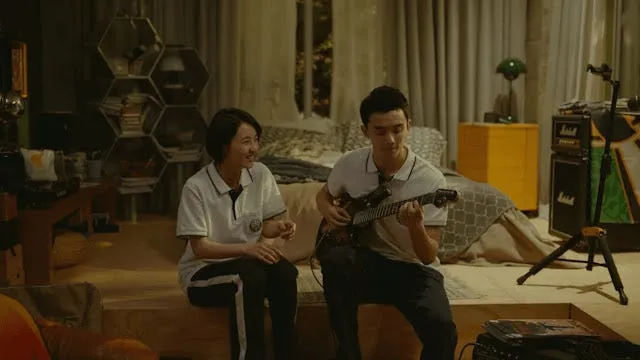
She acted as if everything was fine after discovering her mother’s affair with another man. She used Yu Xing as an excuse for her near-suicidal behavior, hoping it would make her mother back off, as she refused to tell her the truth. However, things turned the other way around and unexpectedly engendered an ever more dilemma. Throughout their interactions, I saw things through her eyes. I interpreted Yu Xing's actions in the same way she did. I shared her belief that when she leaned in to kiss him, he would reciprocate. Even before that pivotal moment, when he brought her to his place and she sang while he played the guitar, it felt truly romantic. They were both happy, and like Chen Chen, I thought he might have feelings for her. After all, who would put in the effort to create a mixtape with her voice singing and play it on her birthday? And taking her to the club for the first time, dancing together? Those gestures can raise anyone's hopes and make their heart flutter. So when he rejected her kiss, I felt that pang in my heart and understood her frustration.


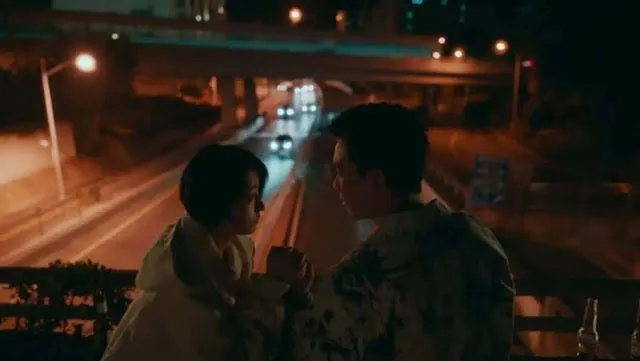
However, my focus on Chen Chen’s perspective caused me to miss crucial insights into Yu Xing. While it’s true that he led her on and played along with her tricks, we failed to see beyond his literal actions. For instance, when he cried in the faculty room after their home teacher scolded him, it was definitely not because of him being accused of following her around, but rather due to what their home teacher told him. Then, his weighty words when he told her she wouldn’t understand his longing for Ming because she hadn’t experienced love. Lastly, when he whispered his secret to her on the music festival, revealing who Ming was. At that moment, Chen Chen realized that she had been viewing everything from her own perspective. Perhaps, just like us, she missed the nuances of Yu Xing's feelings and motivations.

The Louder, The Better

As I read that review on Letterboxd, a mental snap echoed in my mind, and I whispered with conviction, “I knew it!”

Being unfamiliar with Chinese names, I had no clue about the gender associated with the name. Throughout the film, there were no obvious signs that Yu Xing might be bisexual or gay, nor any indication that Ming was male. At first, I thought Yu Xing was infatuated with a woman eight years of her senior, who happened to be a DJ.

We were halfway through the film, and Ming remained unseen. While the story primarily revolved around Chen Chen and Yu Xing, it puzzled me that even Ming's voice remained a mystery, especially when he had a fight with Chen Chen and attempted to call Ming. The other line responded with a stranger's voice, calling out Ming, but not even a breath was heard. When Chen Chen persuaded Yu Xing to meet Ming, my suspicion intensified even more.


Outside the venue, DJ posters adorned the walls, and there it was—Ming’s name among the dominant faces of male DJs. However, Ming's face remained hidden; we only got to see this person up to his neck. It felt like his identity was deliberately obscured from us.

Why?

Finally, Ming took the stage with “Something Just Like This.” Still, identifying who Ming was proved challenging. Why did he appear masculine, though? Or maybe, it was the way he dressed?

So, when I stumbled upon a few reviews discussing Yu Xing's sexual identity and even Ming's, the pieces fell into place.

That’s why! That’s why.

Something Just Like This

Throughout the film, we got to hear "Something Just Like This" three times.

The first occurrence was in the quietude of Yu Xing's home. His uniform, crisp and unwrinkled, bore the weight of something yet unknown to us. Engaged in a deep conversation, he spoke more to himself than to Siri, who responded to him with empty words. Then, the melody enveloped the room, and Yu Xing's eyes sparkled with hope as volume turned up. "The louder, the better" he quipped, as if daring the universe to hear his secrets.

The second time we heard the song was on Chen Chen's 18th birthday. In the DJ booth, she glanced up to Xu Ying, who was half lost with his passion at that moment. He had curated a mixtape just for her, and the opening notes of "Something Just Like This" reverberated across the empty club. As she raised her hand up in the air, her heart skipped a beat. Yu Xing paused and greeted her with a heartfelt "Happy Birthday."

The final occurrence was when Ming stepped onto the stage. Chen Chen took a long glance at Yu Xing, whose face bore the neon-lit haze. The familiar song hung in the air, yet this time, it wasn’t at Yu Xing’s request or performed for Chen Chen. Instead, Ming played it as if for them that to the collective heartbeat of everyone present.

In my interpretation, these moments resonate the different trajectories of both characters as they grapple their inner truths. Initially, we only had Yu Xing who listened to this song by himself. Perhaps, at the outset, he lacks anyone to confide in, leaving him alone with his secret. Then, he crossed paths with Chen Chen, to whom he played this song for. Finally, he found someone who he could be honest with, both with his lies and hidden truths. On their final moments together, Ming made his long-awaited appearance. Once more, "Something Just Like This" filled our ears as both of them finally got the closure they needed. They whispered their secrets away, and they listened to their silent confessions against the cacophonies and spectacles around them.

In the future, if the people we like can also like us, how nice would that be?
 

Upon reading closely, it becomes evident that the song revolves around the idea that one need not strive for "ideal" or "perfection." Being true to oneself is enough to be appreciated and liked.

In the song, the persona expresses a longing to be something more, feeling frustrated by how less they think they are. However, this feeling dissipates when another persona reassures them. They reiterate that they are not seeking someone with superhuman abilities. Instead, they desire something relatable, someone they can turn to, miss, and kiss—something just like this.

Considering that Upcoming Summer may have an LGBT theme, it echoes Yu Xing’s dissatisfaction with himself. He may have believed that his sexuality rendered him less desirable. However, just like the other persona in the song, Chen Chen reminded him that we just need to face ourselves with more honesty, and be braver. These same words resonate with Yu Xing as well.

Summer Again

Now that I’ve calmed down, I finally saw Upcoming Summer without any biases towards Leo Wu or the stirred-up emotions from the reviews I read on Letterboxd.

Certainly, this film was worth watching, especially if you’re a fan of Leo Wu. You’ll appreciate and even commend this actor for taking up such a risky role, considering the potential backlash from Chinese audiences and his reputation as China's Little Brother. However, from an objective standpoint, after finishing the film six days ago, I must say that Upcoming Summer failed to convey its intended message to some viewers, including myself. One major shortcoming lies in the misleading trailer. Throughout, I believed it would be a “boy and girl’s love” story, only to discover something quite different: Chen Chen’s unreciprocated love for Yu Xing, while Yu Xing yearned for Ming, whose sexual identity remained uncertain. The film wasn’t honest and brave about its true theme, tricking viewers into expecting a heterosexual romance.

Another notable aspect was when he was punched by his father, resulting in severe hearing loss in his left ear. Reflecting on this, I wondered whether this plot point was strategically included to evoke sympathy from the audience and enhance the character’s admirable qualities, given that hearing is crucial for a DJ’s work.

Towards the film’s conclusion, we witness Yu Xing living his dream, yet there’s a brief emphasis on him wearing an ear implant before taking the stage with his beats.

Could this choice have been deliberate, making it more challenging for him to pursue his aspiration of becoming a DJ?

Lastly, I felt that Yu Xing’s kiss with Chen Chen was unnecessary at the end of the film. After confessing that she had a crush on him since their junior year, he leaned in to kiss her. At that moment, I hadn’t read anything yet on Letterboxd, so I assumed that Yu Xing had finally realized that he also liked Chen Chen. However, he later apologized with the words, “I wish I could like you back.”

Final Thoughts

The ending was ambiguous.

I still hoped to see the characters together as friends. However, three years later, at the Sanya music festival once again, we found them in the same moment—separated by the stage, yet connected through his music. For one last time, we saw Yu Xing in the perspective of Chen Chen.