Ugly Art 2
Aetovahteia
12/28/2024



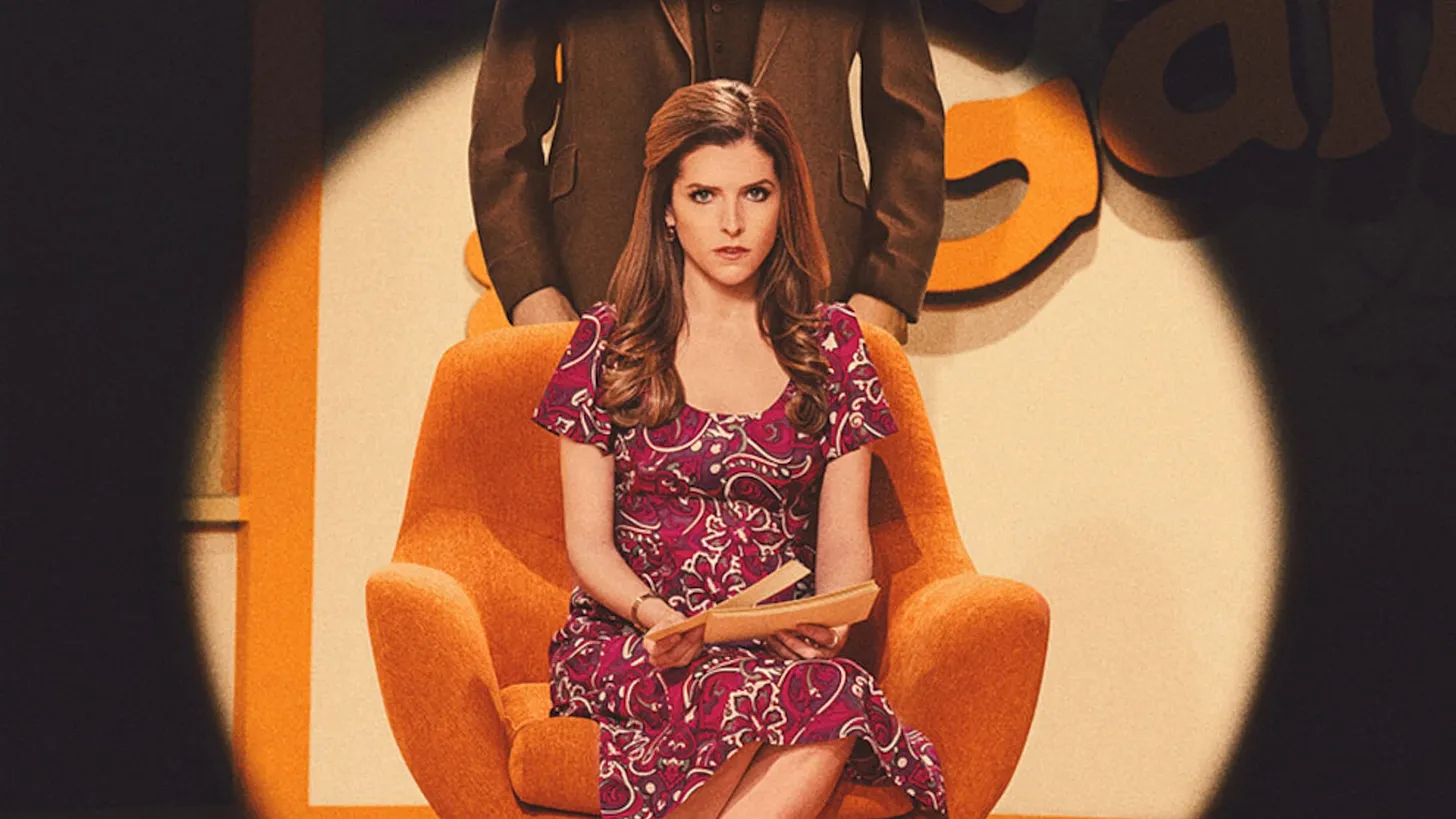
The deliberate, laborious effort to stop myself from doom-scrolling on my phone allowed me to spend my early Saturday afternoon watching Woman of the Hour.
Initially, I had been searching for another horror movie, but none of the recent releases seemed appealing enough to satisfy my then-picky watching appetite. Running out of options, I decided to check Woman of the Hour on Letterboxd, hoping some spot-on reviews might convince me to give it a shot.
And they did. (I could practically hear their evil laughter.)
I vaguely remembered seeing something about this film on Twitter—it was based on real-life events, and the man at the center of the story was indeed a psychotic serial killer. That was all I knew going in, apart from the persuasive nudges I got from Letterboxd. (For the record, it didn’t have a stellar rating, but hey, 3-something stars is an achievement in its own right.)
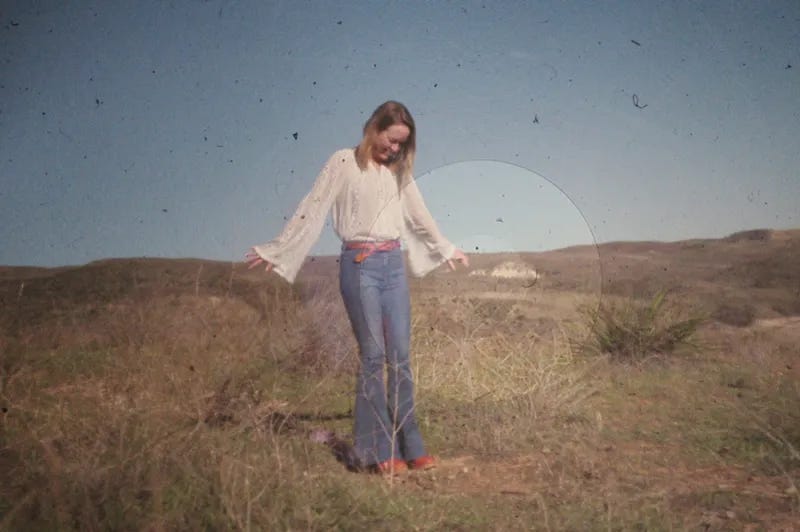
The movie opened with a scene where a woman, looking slightly awkward as she struck some hesitant poses, seemed unsure of where exactly to direct her gaze. Offscreen, a man spoke to her from behind his camera lens. They were alone in an open field. At first glance, if you had no prior knowledge of the plot, you might have thought the setting was perfect for a romantic introduction between the characters. The field was vast—so expansive that from a distance, they would have looked like dots. The wind blew gently, and the sun felt almost within reach, its warmth bronzing the skin. In short, it was a picturesque spot, seemingly ideal for a romantic date.
Perhaps the woman thought so too.
However, this idyllic setup quickly unraveled. What initially seemed like a romantic encounter turned into something far more sinister. Being alone with a stranger in such a remote location turned out to be the opposite of romantic—it became a predator’s opportunity. After some seemingly sweet talk between shots, the tension shifted. The man suddenly grabbed her neck with the force of someone gripping a bottle. Startled, she pulled away, slapping his hands every time he attempted to tighten his grip. Despite her resistance, she lost her balance under his strength and fell to the ground. Seizing the moment, the man carried out the very plan he had from the beginning. What happened to her became the recurring fate of other victims throughout the movie—except for one: a young aspiring actress who narrowly escaped becoming his next target.
Sheryl wasn’t particularly happy with how her audition had gone. Her mood didn’t improve when she ran into her "acting coach" in the hallway outside her apartment unit. She greeted him briefly, hinting that she wasn’t in the mood for a long conversation. However, the message clearly didn’t register with him. Oblivious as he was to her cues, he matched her pace and attempted to strike up a conversation anyway. By the time Sheryl made it inside her apartment, her phone rang. Distracted by the call, it was too late for her to properly dismiss him, and he managed to roam around in her space. The call brought unexpected news—she had been invited to be one of the contestants on a televised dating game. While it wasn’t the acting break she had hoped for, her friend assured her that this could be her chance to finally be "seen." Reluctantly, she agreed, not realizing that this opportunity would lead her to becoming a target instead of a star.
He erupted after a prolonged silence, during which neither of them seemed willing to break the tension. In the back of my mind, I thought: What the hell? He was the one who made her uncomfortable, so why was he acting offended and asking her to leave? The rule was simple—she didn’t want to. Despite that, it was Sheryl who felt obligated to salvage the situation and save his face. He had twisted things to make her feel as though she was at fault for being uncomfortable with his advances—advances she didn’t welcome because she simply didn’t want to. Feeling the weight of the situation, Sheryl reluctantly agreed to go for another round of drinks. The scene then cut to another moment, and we found her back in her room. As she got up, we caught a glimpse of someone sleeping next to her—it was her acting coach.
Throughout the film, the story jumped between Sheryl and Rodney. For Sheryl, we saw glimpses of her preparation for her upcoming debut on a live dating show. Meanwhile, Rodney was on his quest, capturing women through his camera—taking pictures and, ultimately, taking their lives. Their separate paths finally collided when they both appeared on the dating show, marking the moment their lives became fatally intertwined.
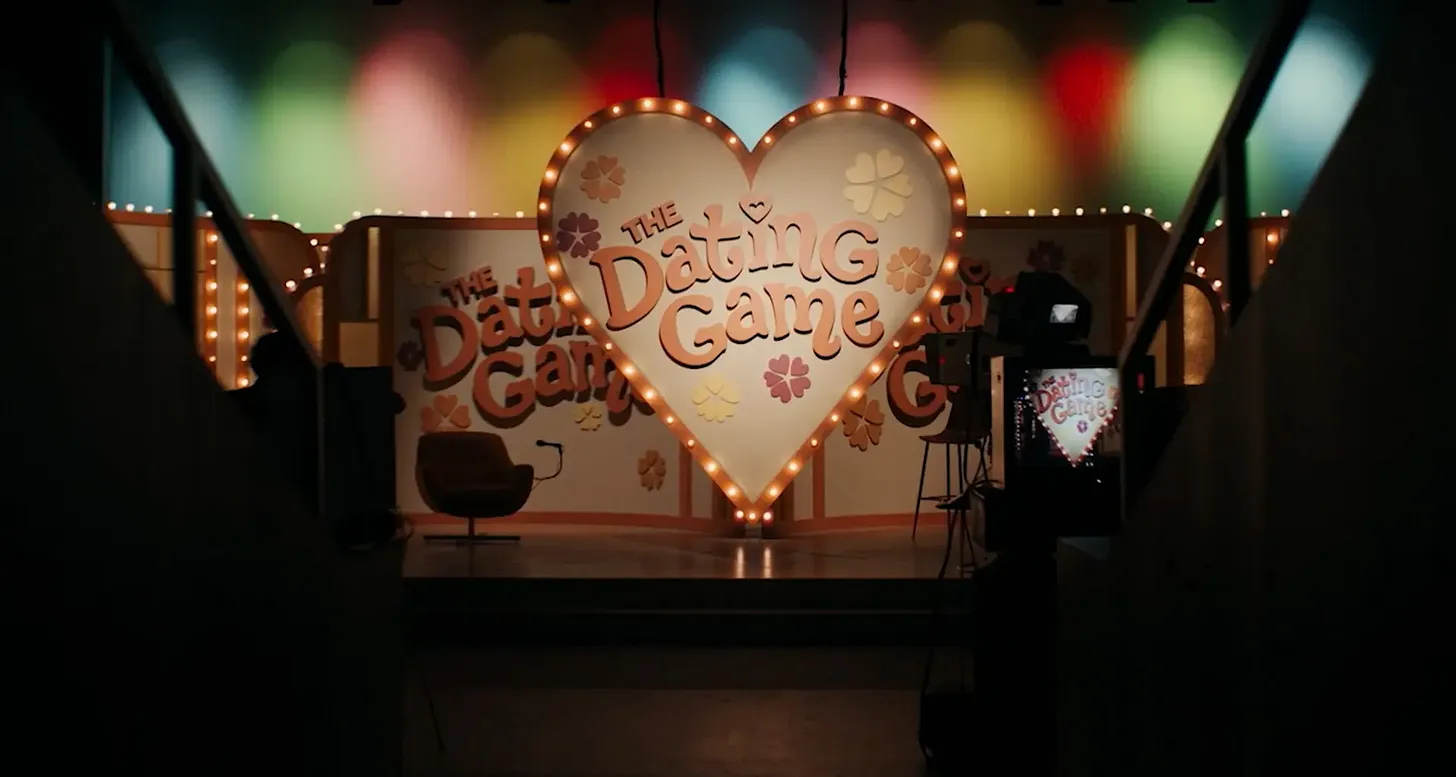
The dating game went on as scripted. As instructed by the male host, Sheryl felt like she had no choice but to play the fool and smile all the way through. She read the questionnaires like a puppet, reciting them word for word, sticking strictly to the material as if she was only there to highlight the wits of the candidates. As the game rolled on, we met the first guy, who looked out of place and nauseous; the next one, who was cocky and full of himself; and finally, Rodney. Among the candidates, he seemed to have the best handle on himself, charming the audience with his way with words, earning collective "oohs" and a raised eyebrow from Sheryl.
During the taping, other things were happening in the background. Across the stage, the audience pit was filled with people eagerly watching Sheryl search for a match through a set of boring, pre-prepared questions. However, there was one lone figure who did not appear to be enjoying the show.
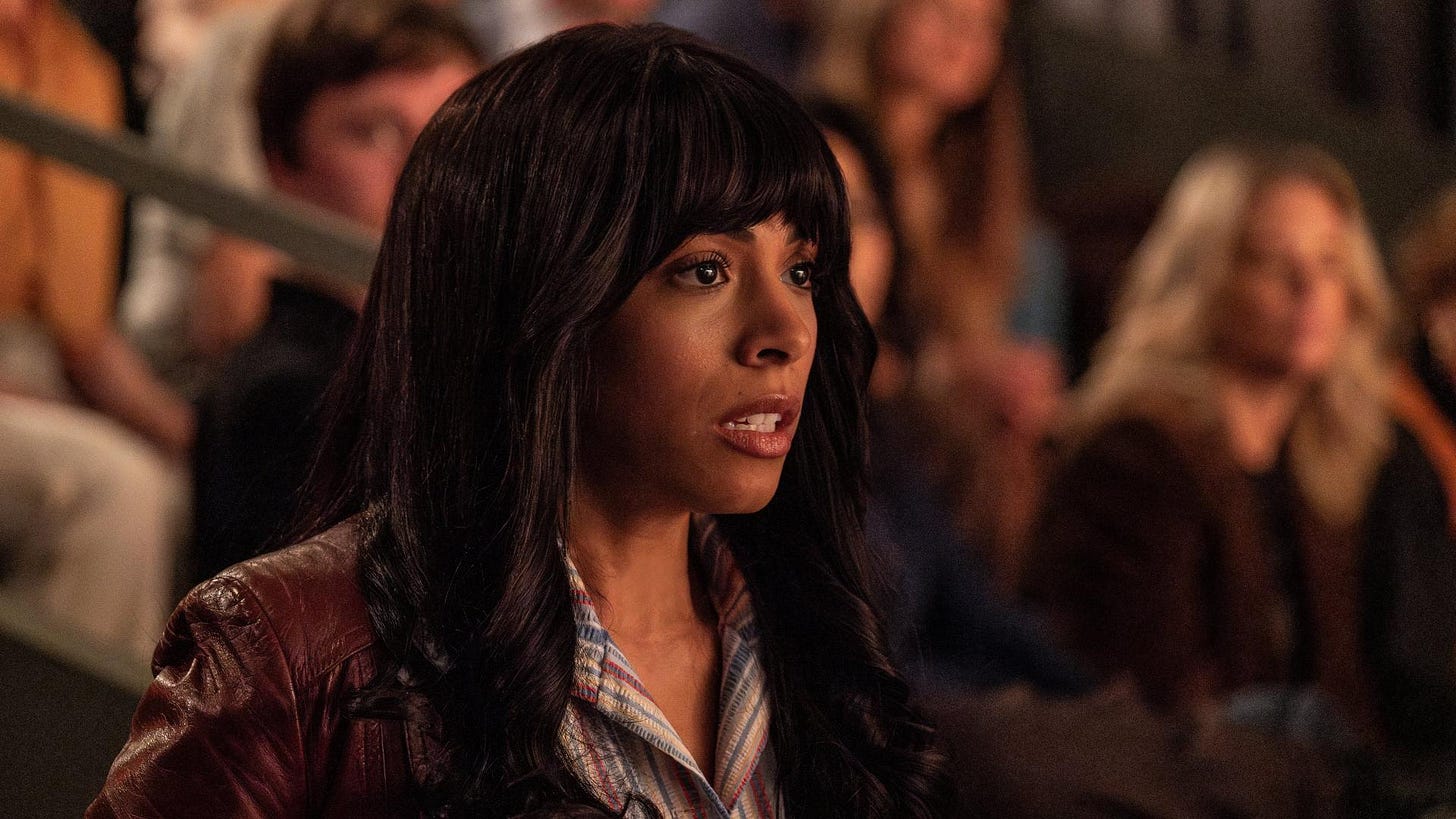
Laura had come to the televised dating game with her boyfriend and a group of friends. Expecting a typical show, she never imagined she would find herself quivering with fear at the very sight of one of the contestants. But she was sure—Rodney was the same man who had murdered her best friend, Alison. And yet, here he was, walking free, even trying his luck in a televised dating game. How was a serial killer roaming around so freely?
Unable to bear the sight of him, she walked out of the studio, her boyfriend chasing after her. But instead of offering support, he dismissed her fears, insisting that she must be mistaken about the third guy.
When a woman gathers the courage to confide in you about her fear, you ought to believe her. Dismissing her is the same as dismissing all the women who have been brutally killed by men like him. Furious and speechless, Laura dismissed her boyfriend in turn, yelling at him to get out of her car. Despite her terror, she mustered the remaining courage she had and went to report Rodney. However, the officer she spoke to wasted her time, making her wait for the show's producer, only for her to discover that the name given to her belonged to the janitor.
Meanwhile, during the second commercial break, Sheryl had a brief chat with the makeup artist. A little push from her was all Sheryl needed to finally decide—it was her time to shine. She took control of the dating show, leaving the male host on the periphery. If she was meant to be looking for a match, she refused to be just a tool to stroke the contestants' egos. She would not simply stand there and read the questions like a robot. She had come on the show just like the male contestants—for screen time. And she deserved the same spotlight.
If doing the opposite of what the male host expected would make him mad, then so be it. After all, it was a one-time opportunity, and by next week, she wouldn't be there. So she had to make the most of it—by being herself. To be seen meant being seen for who she truly was. The audience erupted in laughter as she took over the show. With her witty questions and side comments, the show became livelier, and for the first time, she felt alive—not just a girl sitting on the other side of the stage, reciting lines.
Let's be real—a man who could speak his mind with a balance of conviction and sincerity was surely a decent choice among the three contestants. And that man was Rodney.
As I checked my watch, I was surprised to see how much time had passed. I was already more than halfway through my wait, which coincided with the end of the dating show. On her way out, Sheryl was approached by Rodney, who had been leaning against the wall, obviously waiting for her. She was taken aback when he invited her to dinner, but she shyly accepted, not wanting to seem rude to someone she had just matched with on television.
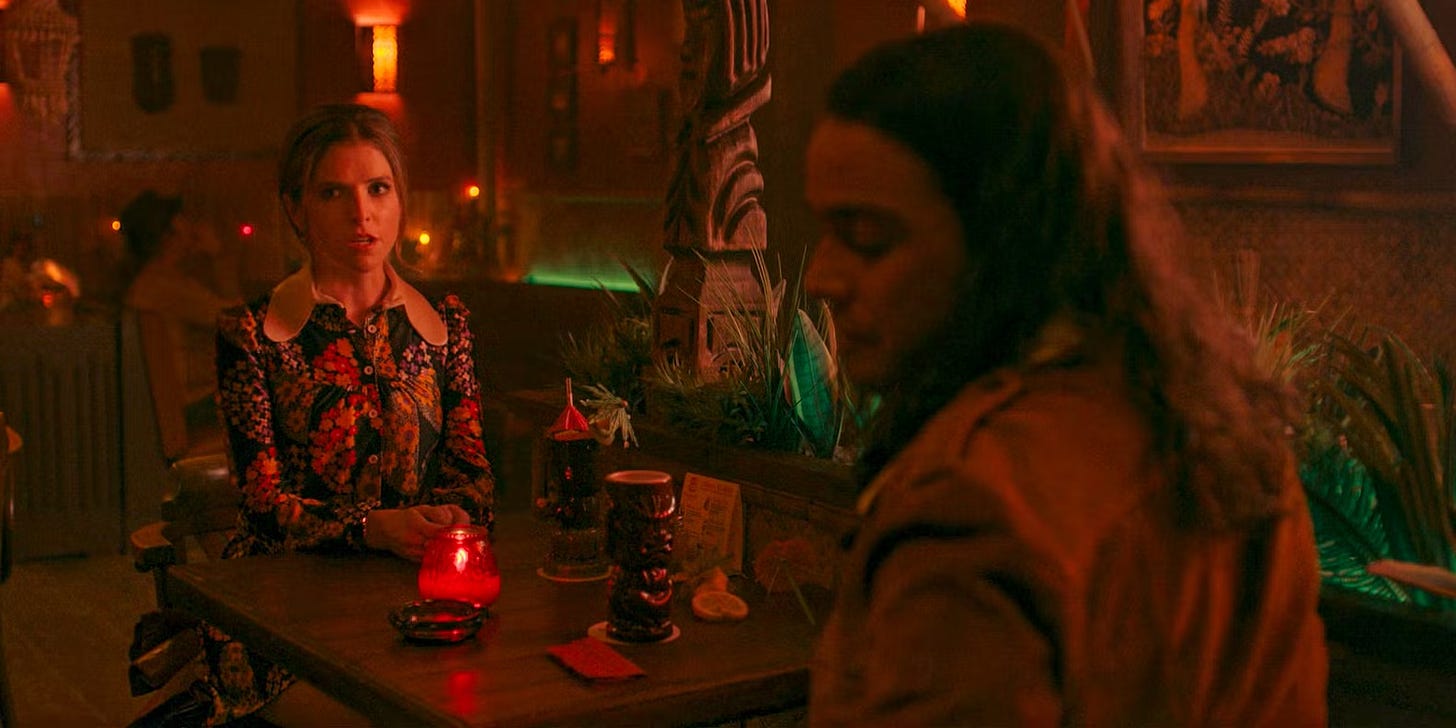
At first, everything seemed to be going well—just as it had with her acting coach. That was until Rodney made a remark about "soul" in the middle of their conversation about theatre. The word felt out of place, making her uneasy. When she snorted in response, Rodney did not take it well.
That was when the tension shifted.
Like her acting coach, Rodney's energy suddenly changed. He stopped trying to impress her with his lies—lies Sheryl had already spotted. Unlike before, this time, she turned down his invitation for another drink. Thankfully, the waitress understood her simple shake of the head—a silent signal from one woman to another. It was clear that Rodney was trying to get her drunk. Her suspicions were confirmed when she recalled what the second contestant had whispered to her earlier: "He's an asshole."
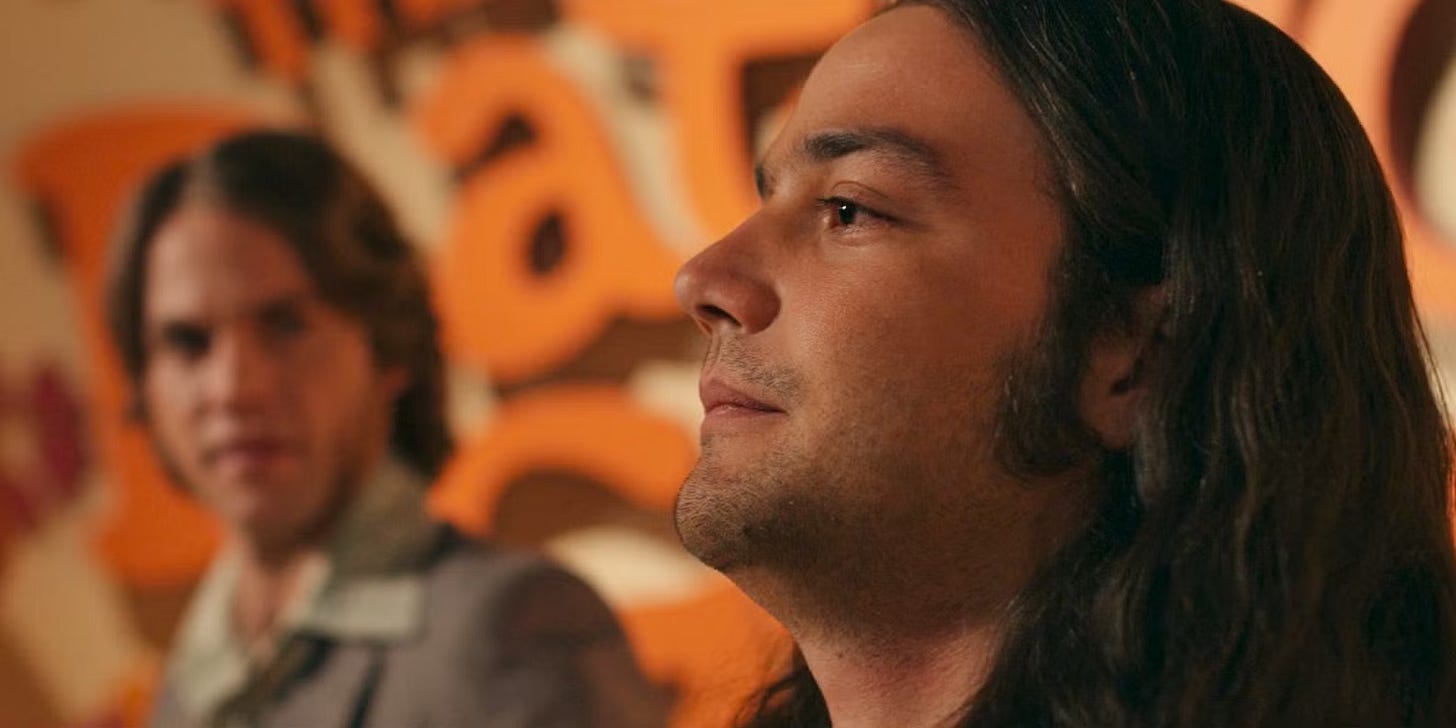
What Sheryl experienced is not just an isolated event—it is a universal experience for women.
Women want to stay out late but have to go home early because of men. They cannot walk comfortably at night, afraid that the man behind them might have bad intentions. They cannot wear what they want, limiting their self-expression in fashion because some men take it as an invitation for perversion. And when women refuse men or turn them down, those men’s egos shatter, making them play the victim, guilt-trip women, or resort to something worse—just like what Rodney was planning to do to Sheryl that night.
He wanted to check if she had given him her real number, but when he realized it was fake, he became furious. Even after they parted ways, he followed her—step by step. As Sheryl tried to collect herself, keeping everything under control, she cursed under her breath, pushing down her panic as she hurried to her car. Just as she reached it and inserted her key, he caught up to her. Fortunately, a group of guys emerged from a nearby garage, scaring Rodney away.
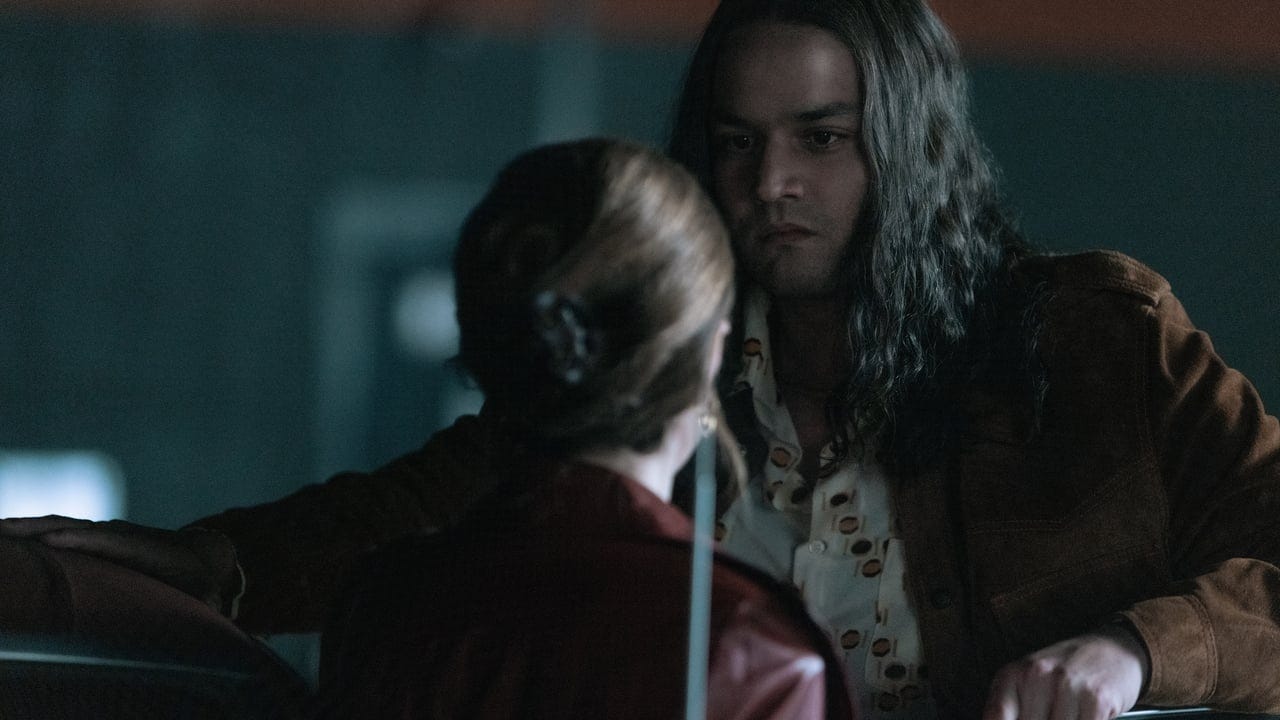
That was the end of her story, but another one was still unfolding—Amy’s.
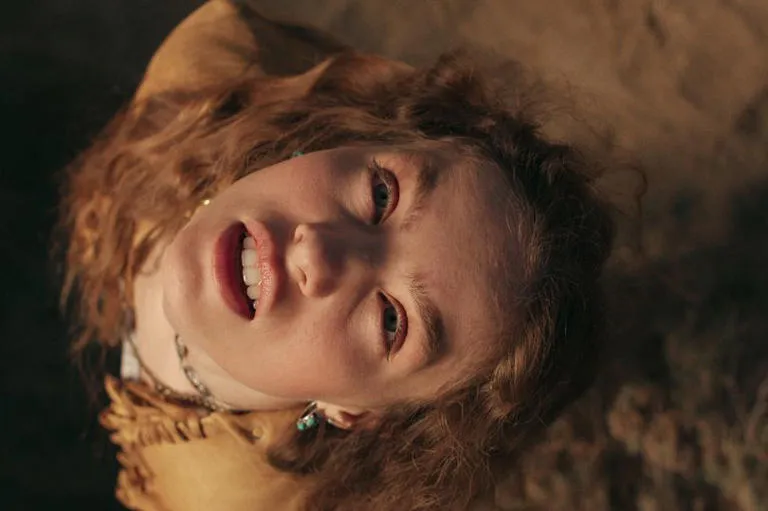
Despite the bizarre nature of some scenes in movies, I managed to grasp Amy’s situation as it unraveled. She had gone with Alcala to a deserted location for a promised photoshoot. While she tilted her head toward the sky, her back turned to him, Rodney lunged at her, sending them both tumbling from a high ground.
When she woke up, she was covered in bruises. Her hands were tied, and her pants were pulled down to her feet. Next to her was Rodney—crying like a baby. She was still alive, and she needed to find a way out. Instead of panicking, she played into the shame and guilt, deceiving him into untying her by pretending to trust him.
As they drove, they stopped at a traffic light. Unlike Sheryl’s silent signal to the waitress, which had been understood instantly, Amy’s desperate, pleading eyes—surrounded by fresh bruises—were ignored by a driver in the intersection. He drove past them. She felt helpless while Rodney breathed heavily, grinning in triumph.
Fortunately, they stopped again when Rodney needed to relieve himself. This gave Amy the chance to escape and report him to the police. Meanwhile, Laura, now accompanied by her boyfriend, attempted to refile her complaint against Rodney. But once again, the officer dismissed her, pushing her further into hopelessness.
Every day, women face mistreatment and violence—at work, on their way home, even in their own homes. Every day, we have to think carefully about what we wear, be cautious about how we speak, and worry that our words might be taken the wrong way. What happened to Sheryl, Amy, Laura, and Alison are just a few among countless cases that are dismissed, trashed, buried, and forgotten due to helplessness. These crimes happened in the 1970s, and yet, women still endure the same dangers today. We still have the same broken system that fails to protect young girls, pregnant women, the elderly, and working women.
This film is nothing new. There have been countless movies depicting the realities of women’s lives, yet society continues to treat them as mere entertainment instead of calls to action.
So, I’ll ask again...
What are girls for?


If there's one thing that drew me to this film, it's Greg Hsu.
The Taiwanese actor, who seems to be on a roll this year, has once again delivered another ray of sunshine. He’s back in his sweet spot—effortlessly portraying characters with his boyish charm, which always syncs perfectly with the colors of summer.
The first time I saw him, he played the quirky yet well-intentioned Li Cheng in the Chinese remake of the hit Korean movie The Wedding Day. He did justice to the character, making it easy for me to recognize him when I coincidentally stumbled upon a fan-edited video. The clips were probably pulled from one of his previous films or dramas. Despite my curiosity about his filmography, I hesitated at the time to dive in. After all, I wasn't really into Taiwanese dramas. However, one random night, I felt the urge to finally watch the drama series that had been buzzing on Twitter—Someday or One Day. I suppose this has always been his signature: effortlessly summoning his boyish charm, making it hard to believe he’s twice the age of the roles he plays. Greg Hsu, exuding the warmth of summer, is actually 33 years old. I had to look it up after watching his latest film, just to confirm he was at least close in age to Jimmy from 18×2 Beyond Youthful Days. I was partially right—Jimmy in the present is 36, twice the age he was when he first met Ami one random summer day, just as he was late again to his part-time job.

He was playing basketball alone, the sweltering summer afternoon only intensifying his frustration and making his expression even more sour. Another day, another disappointment. He had thought that working at a KTV bar would bring him closer to a summer romance, but instead, he found himself opening one door after another, revealing a mix of customers: annoying students, drunken uncles, kissing couples, and weird groups of friends—everyone at their silliest. Not a single door ever revealed a cute girl he could impress. What a bummer! His dream was simple and nothing extraordinary: he just wanted to enjoy his summer vacation before heading off to college. Was that really too much to ask?
But as the ball rolled away after a missed shot, he was stopped by a refreshing gust of summer air—along with a cute "breeze" from Japan, who introduced herself as Ami. A pocket-sized traveler, kawaii as they say in her language, with a gummy smile, and the very person he'd been longing to meet. Finally, it seemed the universe had answered his wishful thinking! He was more than ready to fall in love.
Kaya Kiyohara, the actress who played Ami, was a new face to me. However, something about her seemed familiar, as if I’d seen her somewhere before. Throughout the film, she was bubbly and always smiling, almost convincing me she'd stay that way forever. After losing her wallet, though, she had no choice but to find ways to make ends meet. She knelt in the temple and whispered her prayers, but it seemed fate was determined to challenge her. Then she spotted a KTV bar, and that’s where fate led her to the rolling ball—and to Jimmy.

How fortunate she was that the boss of the KTV bar knew how to speak Japanese. Feeling sympathetic toward her situation, he welcomed Ami as a new member of their crew. Jimmy, a die-hard fan of the anime series Slam Dunk, also knew a bit of Japanese. This connection even pushed him to study the language more so he could communicate with Ami, who didn’t know how to speak Taiwanese.
For more than half the film, everything was going smoothly. Nothing major hinted at any upcoming revelation or twist that would completely turn the story around, and it was clear that the production wasn't aiming for that kind of narrative. Predictably, like many films in this genre, we eventually reached the point where things started to go downhill for Jimmy.
Ami had to go back to Japan.

Switching between past and present, we catch glimpses of Jimmy’s life. At the start of the film, we had a sense that he had lost his business, and a video of him had surfaced and spread online. While still in Japan, he decided to travel, having no clear idea what life had in store for him next. Along the way, he met people who offered him generosity, kindness, and valuable life lessons. As we approached the end and Jimmy reached his final destination, we learned, despite his hopes, that he would never see Ami again. One thing I noticed was how effortlessly Jimmy found people willing to help him during his travels in Japan. First, he met a cook who also happened to be Taiwanese and grew up in the same city as Jimmy. The friendly man accompanied him on a nighttime stroll, where they had a deep conversation about life. Next, he met a Japanese net café clerk who was playing a game he had created. When she learned that Jimmy wanted to attend a lantern festival, she offered him a free ride. Then, Jimmy encountered an 18-year-old traveler who invited him to hop off the train to experience the snow, which reminded him of the Japanese romance film he had watched with Ami 18 years ago. That movie night, he had missed the chance to hold her hand because he was too engrossed in the story. Lastly, he met an elderly man upon arriving in Ami’s hometown, who also offered him a ride. The man revealed that he knew it was Jimmy who had accompanied Ami on her trip to Taiwan.
It was then that we finally learned what happened after Ami returned to Japan. After Jimmy passed his university exam, he moved to Taipei for college. There, he found new friends and a group of people who shared his interests, allowing him to pursue his dream. Meanwhile, Ami’s condition was revealed—she was bedridden, suffering from a terminal illness. A series of flashbacks showed that despite her illness, she continued sketching, and her final work was given to Jimmy when he met her mother. The heartbreaking truth was finally revealed: Ami had passed away. She died on the day Jimmy received the phone call and broke down. From there, we saw how Jimmy’s life unfolded after her death. He achieved his dream, but his grief consumed him. He dedicated all his energy to his work, which led to great success but eventually slipped away as he got fired from his own company.
The dream Jimmy had been searching for at the beginning, he finally found after losing Ami, but he lost it again when he lost himself. He only rediscovered himself when he began traveling, just as Ami had done. It was true what Ami said to him when they went to a lantern festival: Let’s meet again after we realize our dream.

Despite its predictable storyline, I still enjoyed the film. One thing I’ve noticed is that I don’t get as excited about romance films as I used to. On the other hand, I wonder if both actors had chemistry, or was it just me who didn’t feel it? Still, I’d like to commend Greg Hsu—he has this contagious energy that makes his films enjoyable, even when they lack something. As for Kaya Kiyohara, she was a revelation. Throughout most of the film, we only saw her with her signature gummy smile, and I wondered if that was her usual disposition. But later on, when we finally saw her break down during her private moments, it was clear she had been suffering all along. She was so good at hiding it, but when she broke down, it was heartbreakingly beautiful. As much as she excels at smiling, she’s just as powerful in her emotional scenes. Though she wanted to be with Jimmy, circumstances prevented her from doing so.
Ami made Jimmy’s youth unforgettable. She was the one who made his summer memorable and left a lasting impact on his life.